

Move-in season tends to arrive all at once. For weeks, it feels like there is plenty of time. Then boxes are everywhere, someone cannot find the tape, and the one item you need first is somehow at the bottom of the car. A more organized approach will not make moving completely effortless, but it can make the day calmer.
Preparing for Binghamton apartment rentals is partly about packing and partly about understanding the space before you arrive. When you know what is already included, what needs to be shared, and what should stay accessible during the trip, it becomes easier to settle in without buying duplicates or unpacking the same box three times.
Confirm What the Apartment Already Includes
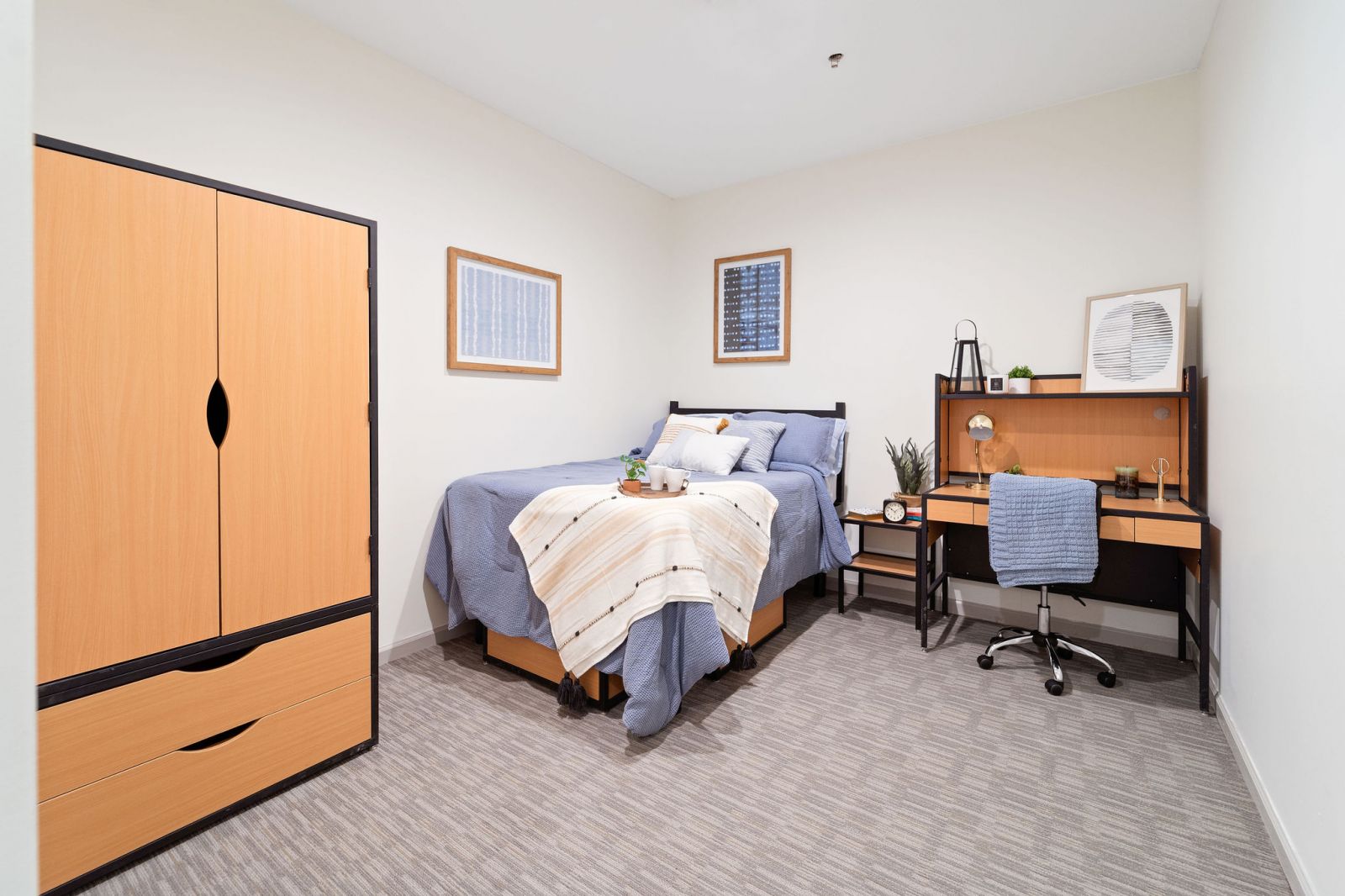
Before making a shopping list, review the features that come with your apartment. The Printing House offers furnished apartments with common household features and appliances, although specific layouts and details can vary. Its amenities page provides an overview of apartment features, while the floor plan page helps you revisit the general layout you selected.
This step sounds basic, but it prevents a surprising amount of clutter. If furniture is already provided, you can focus on bedding, kitchen supplies, décor, electronics, and personal items. It is also worth measuring or confirming the size of anything you plan to bring, particularly storage pieces. A useful organizer is only useful if it fits.
Coordinate Shared Items Before Shopping
Roommates do not need to plan every detail together, and perhaps they should not. Still, a short conversation about shared items can prevent four coffee makers and no trash can. Divide the basics: cookware, cleaning supplies, dishes, small appliances, and common-area decorations if everyone wants to contribute.
A shared note or checklist works well because people can update it without starting another group conversation. Keep it simple. List the item, who is bringing it, and whether it has already been purchased. For things that may be easier to choose after move-in, mark them as “wait.” It is perfectly reasonable to live in the apartment for a few days before deciding that a shelf or rug is actually necessary.
Pack a First-Night Bag
The first-night bag may be the most practical move-in tip, mostly because unpacking usually takes longer than expected. Pack it as though you are staying overnight somewhere unfamiliar. Include toiletries, medications, chargers, a change of clothes, basic bedding, a towel, important documents, and anything you need the next morning.
Add a few cleaning supplies, paper towels, trash bags, and bottled water or a reusable bottle. A small toolkit can help too. You probably will not need everything in it, but a screwdriver and scissors have a way of becoming essential on move-in day.
Label Boxes by Room and Priority
Writing “stuff” on a box feels efficient while packing. It is less helpful later. Label boxes by room and add a second note about priority: “open first,” “this week,” or “later.” Use clear labels on more than one side so they remain visible when boxes are stacked.
For a shared apartment, include the owner’s name. This keeps bedroom items from drifting into the common area and reduces the small confusion that builds when several people are moving in at once. Keep valuables and important paperwork with you rather than placing them in a general moving box.
Plan the Arrival Before You Start Driving
Review directions, parking information, building access, and any move-in instructions ahead of time. Downtown areas can be busy, particularly when many residents arrive during the same period. The Printing House location page can help you orient yourself, and the community’s FAQ page includes answers to common resident questions.
It is also smart to check which person needs to handle check-in and what identification or paperwork should remain accessible. Do not pack those documents in the back of a vehicle. Put them in one folder or bag that stays with you throughout the day.
Set Up the Essentials Before Decorating
Once you are inside, begin with the parts of the apartment that make the first day functional. Set up the bed. Place toiletries in the bathroom. Connect chargers and basic electronics. Put frequently used kitchen supplies somewhere accessible. Decorating can come next, even though it is usually more tempting.
After the basics are in place, walk through the apartment and note any questions. Learn where community spaces are located, including laundry, study areas, recreation, and fitness amenities. The property gallery can help you recognize some of these spaces before arrival, but seeing the routes in person is what makes the building begin to feel familiar.
Create a Small Reset Plan for the First Week
Move-in day is not the only day that matters. Leave some time during the first week to break down boxes, return unnecessary purchases, organize shared storage, and adjust anything that is not working. This is also a good time to save contact information and review the Resident Resource Center for payment, maintenance, and resident-service links.
A first setup does not have to be final. Most apartments become more comfortable gradually, after you notice where bags collect, which cabinet everyone uses, and whether the desk should face the window after all.
Key Takeaways
- Review included furniture, appliances, and amenities before buying move-in supplies.
- Coordinate shared items with roommates to avoid duplicates and missing essentials.
- Keep a first-night bag, documents, and valuables with you during the move.
- Label boxes by room, owner, and unpacking priority.
- Set up essential spaces first, then refine the apartment during the first week.